Wave: A Preventative Virtual Reality Therapeutic Intervention for Youth At Risk

The provision of education for children with Special Educational Needs and Disabilities (SEND) is currently facing systemic challenges. In some local areas, the gap between strategic ambition and lived reality is stark, evidenced by nearly 7,000 school suspensions in one academic year. This crisis is not merely administrative; it represents a profound loss of potential for young people and creates a staggering financial burden, where just 50 permanent exclusions can generate a future liability to the state of nearly £10 million.

At the University of Northampton, we believe it is time for a paradigm shift from reactive crisis management to proactive, evidence-based prevention. In partnership with West Northamptonshire Council (WNC), Northamptonshire Healthcare NHS Foundation Trust (NHFT), and local schools, we are piloting Wave: a preventative Virtual Reality (VR) therapeutic intervention.

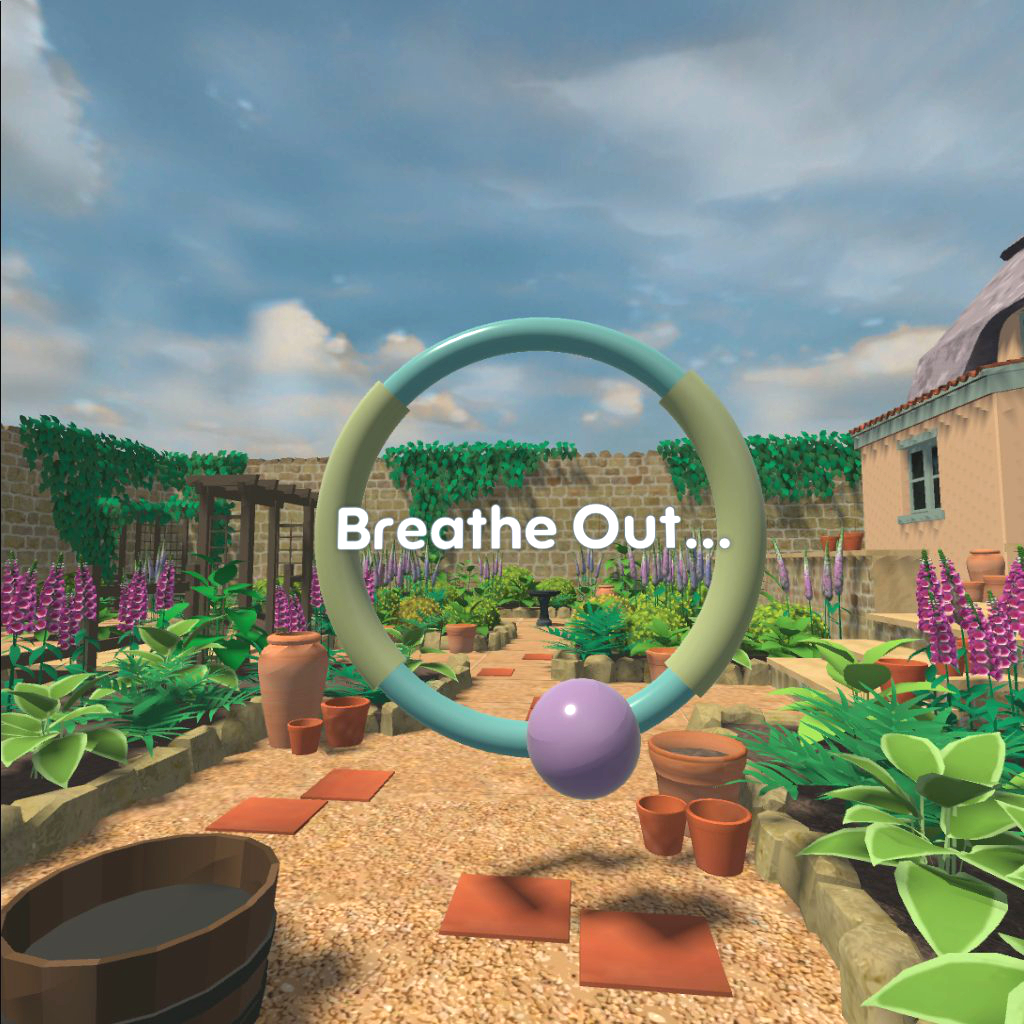
Wave is designed to support young people who may be resistant to conventional “talk therapy.” By integrating proven principles of evidence-based therapies into an immersive VR environment, we are creating a tool that feels less like a clinical appointment and more like a “training game.”

How Wave Works:

  • Stigma Reduction: By gamifying the therapeutic process, we lower the barrier to entry for adolescents struggling with anxiety and disruptive behaviours.
  • Skill Building: The intervention guides users to practise mindfulness, emotional regulation, and distress tolerance in a safe, controlled environment.
  • Accessibility: It is designed for deployment in mainstream schools, SEND settings, and Family Hubs, reaching young people where they are.

Through mixed-method studies, we aim to demonstrate that digital innovation can deliver tangible returns. The human impact: helping children fulfil their potential and avoid the “shadow SEND system” is our primary driver.

This project supports the NHS “Fit for the Future” 10-Year Plan, moving the service toward greater responsiveness and technological advancement. We have successfully moved past the conceptual stage and are now refining the intervention based on real-world feedback from clinical psychologists and young people with learning disabilities.

We are currently piloting these solutions in Northamptonshire, but our vision is scalable. We welcome dialogue with educational trusts, healthcare providers, and potential funding partners who are interested in rigorous, technology-driven mental health solutions.

If you are interested in the intersection of digital innovation and youth mental health, or wish to support the expansion of this pilot, we invite you to connect with us.

InnerVoice – VR training for addiction recovery

We are funded by Innovate UK and West Northamptonshire Council to pilot a new VR training tool for addiction recovery.

Many parts of the UK face a worsening drug and alcohol addiction crisis, with rising deaths and hospital admissions. Alcohol-related deaths tripled and drug-related deaths doubled since 2015. Most adults who require specialist substance misuse treatment (82% for alcohol and 50% for drug misuse) are not accessing services.

Addiction recovery is hard and full of setbacks, challenges and moments of vulnerability. It requires people to be patient with themselves and to actively engage in techniques as they work through the challenges. But there is a painful gap. When we spoke to members of addiction services, we learned that while support and learning are available, they often fall short in practice. Many individuals lack confidence in their key coping skills, especially when things become stressful. The result is that many choose to retreat, distancing themselves from healthy relationships and interpersonal connections they need most.

That’s why we are developing InnerVoice, a new VR intervention to bridge the gap. The project is supported by Innovate UK’s AKT programme, West Northamptonshire Council (WNC), and a network of charities. We’ve worked closely with community groups to ensure the therapy is safe, usable, and truly meets the user’s needs.

InnerVoice uses game design and immersive media to translate abstract therapeutic concepts into actionable confidence. It helps people understand their emotions effectively, practise self-compassion and life-changing coping skills in a safe, private space with virtual companions, and ultimately work towards a life they genuinely feel is worth living.

The innovation reflects key government priorities, outlined in ‘From Harm to Hope’, to create evidence that underpins novel digital therapeutics and technological interventions. The project is a crucial development for the WNC’s Alcohol and Drug Service, where digitisation is placed at the forefront. The innovation will benefit a network of addiction support charities and further boost digital innovations and investment in addiction services, fostering a local ecosystem of talent and expertise in health technology.

New clinical trial shows clinical effectiveness of VR-based Therapy for trauma

Following a feasibility and safety study with 5 participants over 25 sessions [1], we completed a clinical trial of VR EMDR specific phobias treatment with 17 participants (85 treatment sessions over 5 days) [2]. The completion of the trial is such an outstanding achievement of the team and the volunteers!

The Improving Access to Psychological Therapies (IAPT) Phobia Scale scores indicated an improvement in 13 participants (76.5%). Scores for 9 participants (52.9%) decreased to below the subclinical threshold. On the Severity Measure for Specific Phobia ratings, 16 participants (94.1%) reported improvement across symptom domains (thoughts, feelings, behaviours).

All Rights Reserved

Post-study interviews revealed that participants experienced a reduction in the intensity of fear response linked to phobia memory. Participant feedback underscored the importance of initial therapeutic support and revealed a preference for independent engagement with VR therapy sessions once familiarity was established.

All Rights Reserved

Detailed results will be reported in peer-reviewed publications.

[1] Chan, O., Mu, M., Debus, A., Dohan, M., Nicholls, D., Wallang, P., and Breen, K., “Usability, Feasibility, and Preliminary Outcomes of VR EMDR Therapy for Specific Phobia: Mixed-Method Study”, accepted in Mental Health and Digital Technologies, Emerald Publishing, 2025, doi: 10.1108/MHDT-02-2025-0014
[2] https://clinicaltrials.gov/study/NCT06906770

From Fear to Freedom: How Northampton’s VR Therapy Can Help Unlock Lives

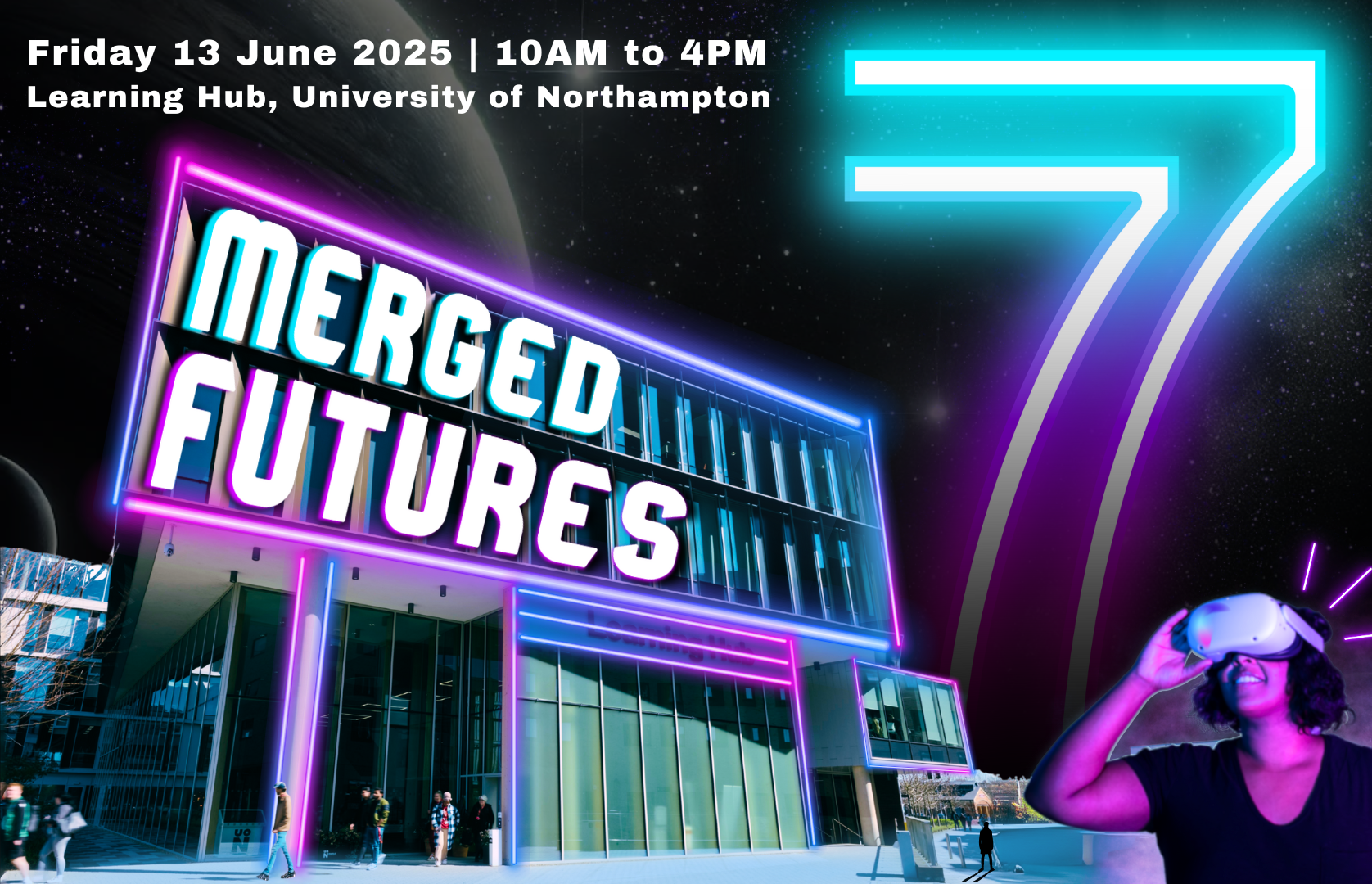
I will be doing a talk and hosting a demo booth at Merged Futures 7.

Life shouldn’t be limited by fear. Yet, for many, intense phobias – whether a paralysing fear of air travel that restricts careers and holidays, a dread of needles that compromises essential medical care, or a fear of insects that turns outdoor spaces into zones of anxiety – can severely dictate their daily existence.

At the University of Northampton, we’ve pioneered a virtual reality (VR) therapy designed to help individuals confront and reprocess these difficult experiences. Our goal is to empower people to regain confidence and truly thrive.

In our recent clinical study, 94% of participants reported significant improvements across their phobia symptoms (thoughts, feelings, and behaviours). 53% saw their phobia levels decrease below the subclinical threshold, meaning their fear no longer dominated their lives.

Join us for a talk by Mu Mu, Andrew Debus, and Olive Chan. We’ll unveil how we’ve transformed comprehensive psychotherapy into an engaging, interactive VR experience and discuss its potential to improve access to trauma and phobia treatment within mental health services.

VR Dolphin Experience

The original article was written by David Nicholls and posted at https://www.northampton.ac.uk/research-blogs/dolphin-experience-vr/

Dr Mu Mu, Andy Debus, and David Nicholls have been working on a prototype for VR Therapies based in Northampton to help relieve anxieties in patients. “The NHS is under immense pressure, and it can be hard for patients to get treatment. We saw this as an opportunity to deliver digital health innovation to improve the delivery and access to life-changing treatment. Partnering with health institutions and local businesses such as VR Therapies, we’re hoping this will help improve the availability of treatment options,” said Dr. Mu Mu regarding the project. Andy Debus, a senior lecturer in games at the University of Northampton, created the environment using coral and reef assets developed by Finley Powell, a games art student here at the university.

“Having been a game developer in the industry for almost 30 years, it’s great to use my skills in a new direction on a project that will have a positive influence on people’s mental well-being” Andy said.

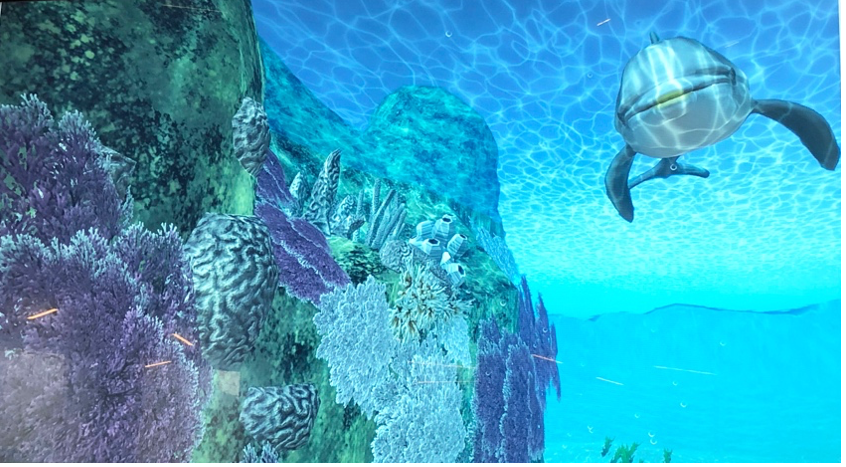
Swimming with Dolphins VR – Copyright 2024

Continuing from an initial project by the game’s team at Northampton several years ago, we are recreating this using new technologies that have advanced significantly in recent years. The original project was also created in collaboration with VR Therapies. With this interaction, we plan to add more interactive elements for a more fulfilling experience.

We had a great opportunity to not just help others with anxieties with the implementation, but we also used it as an opening to hire the Games Art students to help create some assets. This gives them a real live project brief to work on and gives them experience in the industry to help them get their first commercial roles once they graduate.

Finley said: “Being able to use the skills that I have learnt in a professional setting is invaluable for learning practices and readying myself for the industry. It is great to work alongside professional developers in a real game studio environment.”

Finley worked on creating models of coral and sea creatures such as dolphins, turtles, and crabs.

Sea creatures from Swimming with Dolphins VR – Copyright 2024

David’s involvement has been developing the interactions and AI technologies with Dr. Raghad Zenki. Using the Unity game engine, we have added 3D audio and AI pathing for the sea creatures to help immersion. Dolphins and other larger sea creatures work on a track system with random variation.

Development screenshot of pathing in Swimming with Dolphins VR – Copyright 2024

Meanwhile, smaller fish use AI to simulate schools of fish swimming in a group. We are now working on using Oculus hand tracking to add gestures to interact with the sea creatures. The calming environment combined with the sedate movement of the sea creature and soothing audio will help relieve stress and relax users. Whilst we continue development on this app, we are searching for new partners in the community to work with on new projects for use in the mental health field.

Invitation to participate in a research study (£150 voucher payment)

  • Are you experiencing anxiety disorders such as phobias and PTSD? EMDR therapy is used by the NHS for trauma treatment but there is a very long waiting list.
  • We invite you to take part in a virtual reality (VR) EMDR therapy study to help us improve the public access to the therapy.
  • Using a virtual reality headset, the therapy will take place in a calm and relaxing virtual environment.
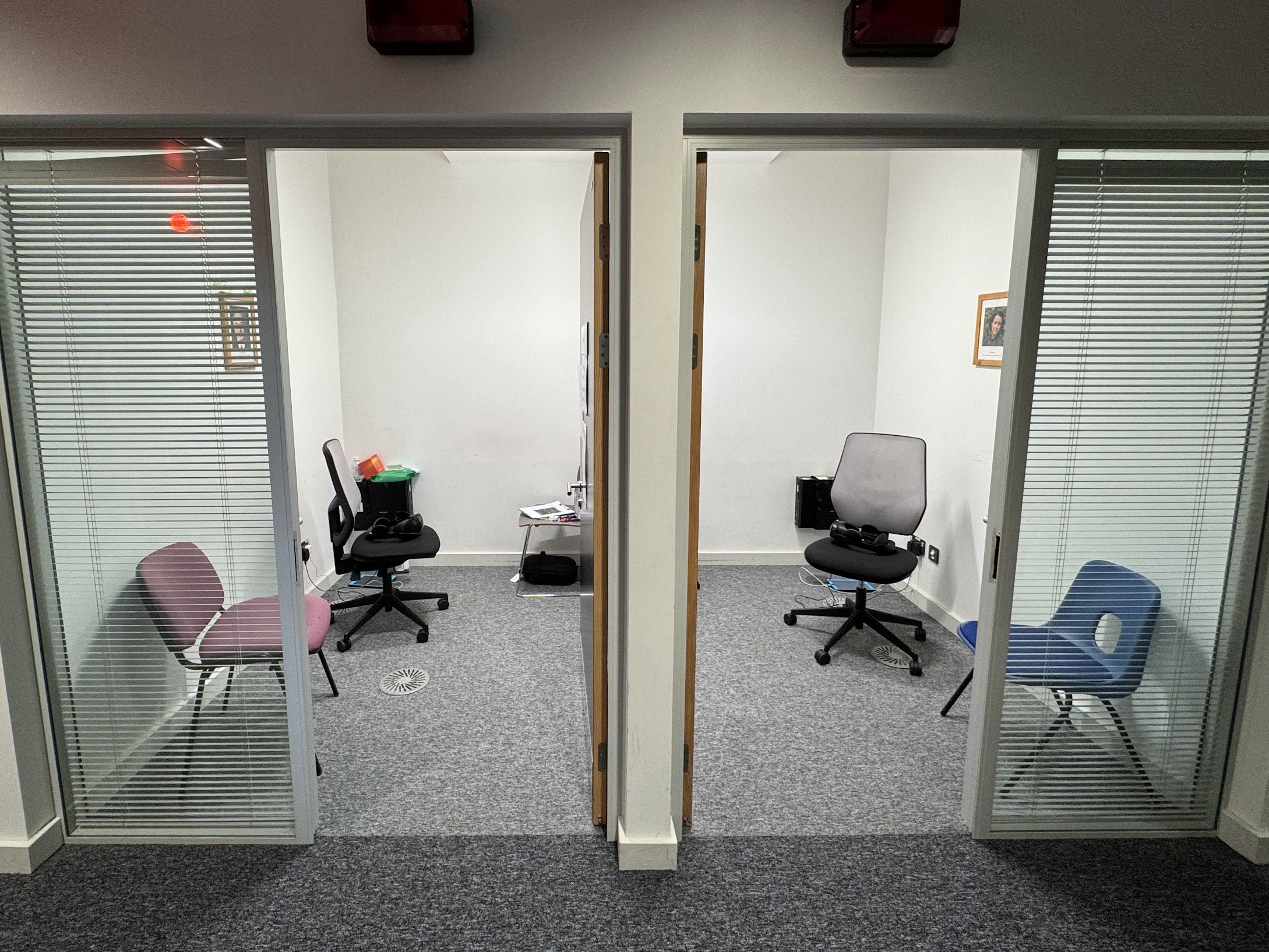
  • Each study includes five daily sessions (around 1-hour) at St Andrew’s Healthcare (Billing Road, Northampton). You may join for the week starting July 8th, July 15th, July 22nd or July 29th.
  • The study will be confidential and all data will be anonymised.
  • You will receive a £150 voucher for your time and travel.
  • Adults of all backgrounds and ages are welcome. To participate please email mu.mu@northampton.ac.uk

New innovation projects on VR-based therapies

We had an excellent new year start with two new innovation projects on VR-based therapies.

Swimming with AI dolphins

“Swimming with Dolphin” was previously developed by the UON Games Team (Iain Douglas and Rob Lambert)

The first Knowledge Exchange project will deliver an innovative VR therapy “Swimming with AI Dolphins” which offers a unique interactive underwater experience to ease the symptoms of mental illness with the Northampton-based company VR Therapies which has provided private therapy sessions for over 1000 people.

The figure above shows the outcome of the original “Swimming with Dolphin” project. Users can book a therapy session to be submerged in water virtually in a 360-degree view as the dolphin slowly and peacefully encircles the viewer. The current application is based on a conventional 360 video delivery. The content of the video is the same for all users and it will not respond to user activities.

With our expertise in game art and machine learning, the application will be transformed with interactive features and an AI-assisted dolphin character. We will use hand/eye tracking sensors and integrated microphones of new-generation headsets to capture and model user movements. Machine learning will be employed to develop an “AI dolphin” that can respond to viewer activities (such as voice and hand gestures) with natural movements.

The unique offering of the “Swimming with AI Dolphins” experience will help the company stand out from its competitors. Besides improved sales of onsite private therapy sessions, the solution can become a “killer app” of the company’s new Headsets@Home service, which allows people with mental illness to rent headsets with pre-loaded therapy content for self-administered therapy at home.

Feasibility study of an innovative VR-based psychotherapy

This Innovation and Commercialisation project will conduct a feasibility study of an innovative VR psychotherapy as a pathway to commercialisation. The VR application automates comprehensive psychotherapy that is widely used for life-changing treatment of anxiety disorder and depression. This revolutionary design can help improve public access to the therapy amid ongoing challenges in NHS. We will conduct a small-scale user trial, assisted by partnering health institutions (St Andrew’s Healthcare and Cardinal Clinic).

The project will support the following activities.

  • Product development. Transform the prototype into a clinically ready product that can be operated by patients. This step requires significant input from the patient and the public. Therefore, we will invite public volunteers of different age, gender, ethnic, and socioeconomic backgrounds to support the product development. 
  • User trial preparation. This activity will focus on preparing all necessary documents, protocols and procedures for the trial. Involvement from the public is also critical for this activity. We will seek public participation in developing the trial.
  • User study. The study includes recruiting and screening 5-10 participants. EDI will be considered an important part of the recruitment. The study will be carried out by a trained therapist. The study will assess the feasibility of the solution and its pathway for adoption by the health services. We will collect feedback from patients and therapists at partner institutions.
  • Result analysis and dissemination. We will seek public involvement (PPI) to help the team to interpret the data. We will gather public opinions on our VR digital health innovation.

Evidence from the study will inform a commercialisation strategy for the effective delivery of services to patients, working within the NHS delivery structures, and maximising the number of patients that benefit from this work.